 中文
中文 English
MOSFET Selection for High-Voltage and Medium-Power Applications: AOT280A60L, AO4405E vs. China Alternatives VBM16R15S, VBA2333
Number of views:9999
 Back to previous page
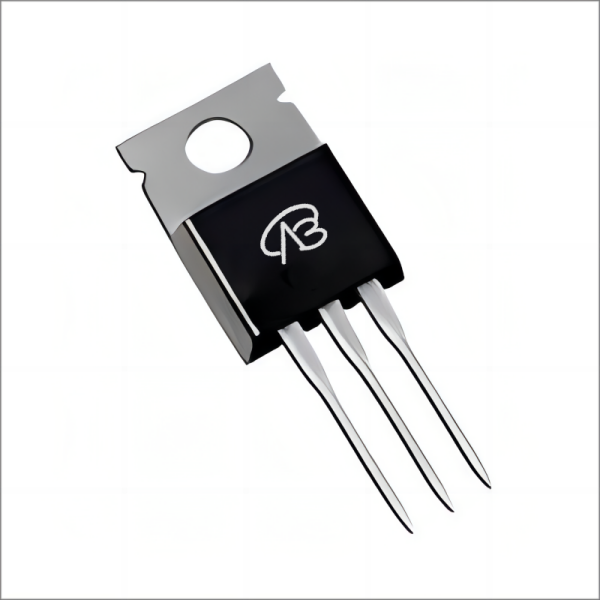
Comparative Analysis: AOT280A60L (N-channel) vs. VBM16R15S
Analysis of the Original Model (AOT280A60L) Core:
This is a 600V N-channel MOSFET from AOS in a TO-220 package. Its design core is to provide robust high-voltage switching capability with balanced performance. Key advantages include a high drain-source voltage rating of 600V, a continuous drain current of 14A, and an on-resistance of 280mΩ at 10V. This makes it suitable for applications requiring high voltage endurance and moderate current handling.
Compatibility and Differences of the Domestic Alternative (VBM16R15S):
VBsemi's VBM16R15S is also offered in a TO-220 package and serves as a direct pin-to-pin compatible alternative. The main differences lie in the electrical parameters: VBM16R15S features the same 600V voltage rating and similar on-resistance (280mΩ at 10V), but it offers a higher continuous drain current of 15A. This enhancement provides a margin for higher current applications.
Key Application Areas:
Original Model AOT280A60L: Ideal for high-voltage, medium-power applications such as:
Switching power supplies (e.g., SMPS, PFC circuits).
Motor drives and inverters.
Industrial power systems requiring 600V endurance.
Alternative Model VBM16R15S: Suitable for similar high-voltage applications where a higher current rating (15A) is beneficial, offering an upgraded performance alternative.
Comparative Analysis: AO4405E (P-channel) vs. VBA2333
Analysis of the Original Model (AO4405E) Core:
This is a 30V P-channel MOSFET from AOS in an SOIC-8 package. Its design focuses on efficient power management in space-constrained, medium-current applications. Key advantages include a low on-resistance of 45mΩ at 10V, a continuous drain current of -6A, and a compact package suitable for high-density PCB designs.
Compatibility and Differences of the Domestic Alternative (VBA2333):
VBsemi's VBA2333 is offered in an SOP8 package and is a pin-to-pin compatible alternative. The main differences are in its electrical parameters: VBA2333 has a similar voltage rating (-30V) and offers a slightly lower on-resistance of 33mΩ at 10V. However, its continuous drain current is rated at -5.8A, which is comparable to the original model.
Key Application Areas:
Original Model AO4405E: Well-suited for low-voltage, medium-current P-channel applications such as:
Load switches and power distribution in portable devices.
Battery management systems (e.g., discharge path control).
DC-DC converters as a high-side switch.
Alternative Model VBA2333: A suitable alternative for applications requiring similar voltage and current ratings but benefiting from a lower on-resistance (33mΩ), potentially improving efficiency in space-constrained designs.
Conclusion:
In summary, this comparative analysis reveals clear selection paths:
For high-voltage N-channel applications, the original AOT280A60L provides reliable 600V/14A performance, while its domestic alternative VBM16R15S offers a compatible solution with a higher 15A current rating for enhanced performance.
For low-voltage P-channel applications in compact designs, the original AO4405E offers a balance of low on-resistance and 6A current capability. Its domestic alternative VBA2333 provides a similar form factor with slightly lower on-resistance, making it a viable option for efficiency-focused designs.
The core conclusion is that selection depends on precise requirement matching. Domestic alternatives not only provide feasible backup options but also offer performance enhancements in specific parameters, giving engineers greater flexibility in design trade-offs and cost control. Understanding each device's design philosophy and parameter implications is key to maximizing its value in the circuit.

Download PDF document
 Download now


