 中文
中文 English
MOSFET Selection for High-Voltage Power and Low-Voltage Switching: AOT27S60L, AO6402A vs. China Alternatives VBM16R32S, VB7322
Number of views:9999
 Back to previous page
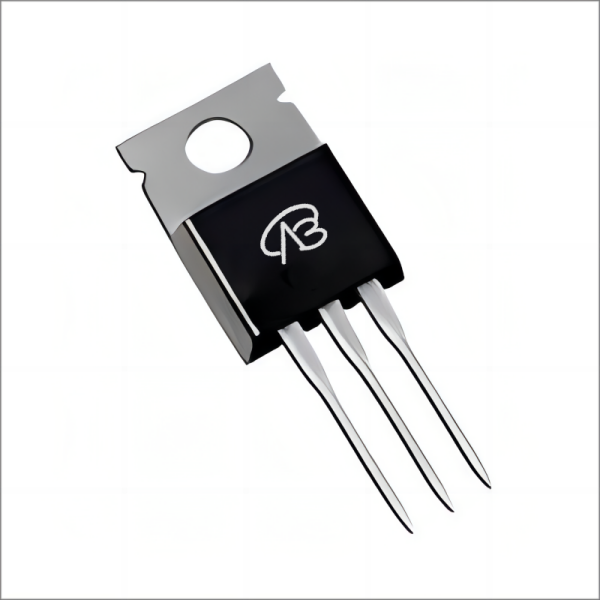
Comparative Analysis: AOT27S60L (N-channel) vs. VBM16R32S
Analysis of the Original Model (AOT27S60L) Core:
This is a 700V N-channel MOSFET from AOS in a TO-220 package. It is designed for high-voltage, medium-current applications. Key advantages include a high drain-source voltage rating of 700V, a continuous drain current of 13.5A, and an on-resistance of 440mΩ at 10V gate drive. Its threshold voltage is 4V, making it suitable for robust switching in off-line power supplies.
Compatibility and Differences of the Domestic Alternative (VBM16R32S):
VBsemi’s VBM16R32S is also in a TO-220 package and is pin-to-pin compatible. The main differences are in electrical parameters: VBM16R32S has a slightly lower voltage rating (600V vs. 700V) but offers significantly better performance in current and on-resistance. It supports a continuous current of 32A and an ultra-low on-resistance of 85mΩ at 10V, thanks to its SJ_Multi-EPI technology. The threshold voltage is 3.5V.
Key Application Areas:
Original Model AOT27S60L: Ideal for high-voltage switching where 700V rating is essential, such as:
Off-line SMPS (Switched-Mode Power Supplies) for AC-DC conversion.
Power factor correction (PFC) stages.
Industrial motor drives and inverter circuits requiring high voltage blocking.
Alternative Model VBM16R32S: Better suited for applications where lower conduction loss and higher current capability are priorities within a 600V range, such as:
High-efficiency SMPS with higher output current.
Motor drives and inverters where lower RDS(on) reduces heat generation.
Upgrades to existing 600V systems for improved performance.
Comparative Analysis: AO6402A (N-channel) vs. VB7322
This comparison focuses on low-voltage, high-efficiency switching in compact spaces.
Analysis of the Original Model (AO6402A) Core:
This is a 30V N-channel MOSFET from AOS in a TSOP-6 package. It is designed for space-constrained, low-voltage applications requiring good efficiency. Its core advantages are a low on-resistance of 24mΩ at 10V gate drive and a continuous drain current of 7.5A. The small package makes it ideal for portable electronics.
Compatibility and Differences of the Domestic Alternative (VB7322):
VBsemi’s VB7322 comes in an SOT23-6 package, which is similarly compact. It is designed as a high-performance alternative. Key differences: VB7322 has a slightly lower continuous current rating (6A vs. 7.5A) but offers a competitive on-resistance of 26mΩ at 10V (and 27mΩ at 4.5V). It features a lower threshold voltage of 1.7V, enabling easier drive from low-voltage logic.
Key Application Areas:
Original Model AO6402A: Excellent for applications demanding a balance of current capability and compact size in 30V systems, such as:
Load switches and power distribution in notebooks, tablets, and IoT devices.
DC-DC converter synchronous rectification (low-side switch).
Battery management system (BMS) protection circuits.
Alternative Model VB7322: A strong choice for designs where lower gate drive voltage and compact SOT23-6 packaging are advantageous, even with a slightly lower current rating. Suitable for:
Portable and battery-powered devices where 1.8V/3.3V logic compatibility is needed.
Space-constrained power management modules.
Applications where the VB7322's parameters meet the current requirement with potential cost benefits.
Conclusion:
This analysis reveals two distinct selection strategies:
For high-voltage (600-700V) applications, the original AOT27S60L provides a crucial 700V rating for designs where this is mandatory. Its domestic alternative VBM16R32S, while rated at 600V, offers a substantial performance upgrade in current (32A vs. 13.5A) and conduction loss (85mΩ vs. 440mΩ), making it an excellent choice for efficiency-focused designs within its voltage range.
For low-voltage (30V) compact applications, the original AO6402A offers strong current handling (7.5A) in a small TSOP-6 package. The domestic alternative VB7322, in an SOT23-6 package, provides a very competitive on-resistance and lower threshold voltage, making it a viable and potentially more logic-friendly option for many space-constrained designs.
The core takeaway is that selection depends on precise requirement matching. Domestic alternatives like VBM16R32S and VB7322 not only offer supply chain resilience but also provide compelling performance characteristics—either through significant parameter enhancement or optimized feature sets—giving engineers greater flexibility in design and cost optimization.

Download PDF document
 Download now


