 中文
中文 English
MOSFET Selection for High-Voltage Switching and Dual-Channel Power Applications: AOD7S60, AO4882 vs. China Alternatives VBFB165R07S and VBA3410
Number of views:9999
 Back to previous page
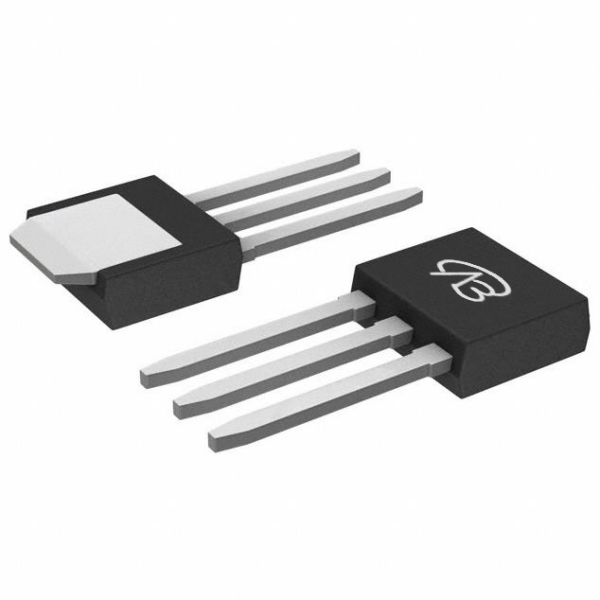
Comparative Analysis: AOD7S60 (High-Voltage N-Channel) vs. VBFB165R07S
Analysis of the Original Model (AOD7S60) Core:
This is a 600V, 33A N-channel MOSFET from AOS in a TO-252 (DPAK) package. Its design core is to deliver robust performance in high-voltage switching applications. Key advantages include a high drain-source voltage (Vdss) of 600V and a substantial continuous drain current (Id) of 33A. Its on-resistance is specified at 600mΩ under test conditions (10V, 3.5A), making it suitable for off-line power supplies and motor drives where high voltage blocking is essential.
Compatibility and Differences of the Domestic Alternative (VBFB165R07S):
VBsemi's VBFB165R07S, in a TO-251 package, serves as a functional alternative for high-voltage needs. The key differences are in the electrical parameters: VBFB165R07S offers a higher voltage rating of 650V but a significantly lower continuous current of 7A. Its on-resistance is slightly higher at 700mΩ (@10V). This indicates a trade-off towards higher voltage withstand capability at the expense of current handling and conduction loss compared to the original.
Key Application Areas:
Original Model AOD7S60: Ideal for applications requiring high current and high-voltage switching, such as:
Primary-side switches in offline SMPS (Switched-Mode Power Supplies).
Inverters for motor drives and UPS systems.
PFC (Power Factor Correction) circuits.
Alternative Model VBFB165R07S: More suitable for high-voltage applications where the current requirement is moderate (around 7A or less), such as lower-power auxiliary power supplies or specific high-voltage signal switching circuits that prioritize the 650V rating.
Comparative Analysis: AO4882 (Dual N-Channel) vs. VBA3410
This comparison shifts focus to space-constrained, medium-voltage applications requiring dual switches. The design pursuit for AO4882 is low on-resistance and high current density in a compact SOIC-8 package.
Analysis of the Original Model (AO4882) Core:
This AOS device integrates two 40V N-channel MOSFETs in an SOIC-8 package. Its core advantages are:
High Current Density: Each channel supports a continuous drain current of 40A.
Low Conduction Loss: Features a low on-resistance of 27mΩ (@4.5V, 4A), enabled by advanced trench technology.
Compact Integration: The dual N-channel configuration in a standard 8-pin package saves significant board space in power management circuits.
Compatibility and Differences of the Domestic Alternative (VBA3410):
VBsemi's VBA3410 is a direct pin-to-pin compatible alternative in an SOP8 package, offering a performance-enhanced profile. It matches the 40V voltage rating but shows key improvements:
Lower On-Resistance: Significantly reduced to 15mΩ (@4.5V) and 10mΩ (@10V).
Adjusted Current Rating: A continuous drain current of 13A per channel. This suggests a design optimized for even lower conduction losses, making it highly efficient for its current class.
Key Application Areas:
Original Model AO4882: An excellent "general-purpose" dual MOSFET for space-efficient, medium-power applications, such as:
Synchronous rectification in DC-DC buck/boost converters (12V/24V systems).
Load switches and power distribution in servers, networking, and computing equipment.
Motor drive H-bridge circuits for compact brushed DC motors.
Alternative Model VBA3410: Better suited for upgrade scenarios where minimizing conduction loss is critical within a ~13A per channel range. It's ideal for high-efficiency point-of-load (POL) converters, advanced power management modules, and motor drives where lower RDS(on) directly translates to cooler operation and higher system efficiency.
Summary
This analysis reveals two distinct selection paths based on application priority:
1. For high-voltage (600V+) switching where high current (30A+) is paramount, the original AOD7S60 with its 600V/33A rating and DPAK package for thermal management remains a strong choice for primary power stages. Its alternative, VBFB165R07S, shifts the balance towards a higher 650V rating but is tailored for applications with more modest current demands (~7A).
2. For compact, dual N-channel applications around 40V, the original AO4882 offers a proven balance of high current (40A per channel) and low RDS(on) in a minimal footprint. The domestic alternative VBA3410 presents a compelling "efficiency-optimized" upgrade for designs where ultra-low on-resistance (as low as 10mΩ) is the primary driver, even with a specified current rating of 13A per channel.
Core Conclusion: Selection is not about absolute superiority but precise requirement matching. In the context of supply chain diversification, domestic alternatives like VBFB165R07S and VBA3410 not only provide viable backup options but also demonstrate parameter specialization or enhancement. They offer engineers greater flexibility in design trade-offs, cost control, and performance optimization for specific use cases. Understanding the design philosophy and parameter implications of each device is key to unlocking its full value in your circuit.

Download PDF document
 Download now


